Probiotics
- 3min read

Probiotics
Probiotics, often called “good bacteria,” play a crucial role in maintaining overall health. They are essential for proper digestion, a strong immune system, and even better mental health. In this article, we’ll explore what probiotics are, their benefits, and how to incorporate them into your diet.
What are probiotics?
Probiotics are live microorganisms, mainly bacteria and yeasts, that are beneficial for our health when consumed in adequate amounts. They occur naturally in certain fermented foods and can also be taken as supplements.
Benefits of probiotics
Improved digestive health
Probiotics help balance the gut microbiome by increasing the number of good bacteria in your intestines. This can prevent and treat digestive issues such as diarrhea, irritable bowel syndrome (IBS), and constipation.
Enhanced immune system
By strengthening the intestinal barrier and stimulating antibody production, probiotics can help protect your body against infections and illnesses.
Reduced inflammation
Probiotics can reduce inflammation in the gut, which may benefit chronic inflammatory conditions like Crohn’s disease and ulcerative colitis.
Mental health
The gut-brain connection means probiotics may positively impact mental health, helping reduce symptoms of anxiety and depression.
Improved skin health
Probiotics can help manage skin conditions such as acne, eczema, and rosacea by improving gut health and reducing inflammation.
Food sources of probiotics
Incorporating probiotics into your diet can be easy and delicious. Some natural sources include:
Yogurt: One of the most well-known sources of probiotics, especially when labeled as containing live and active cultures.
Kefir: A fermented milk or water beverage rich in multiple probiotic strains.
Sauerkraut: Fermented cabbage, a great source of probiotics as well as vitamins C and K.
Kimchi: A Korean fermented vegetable dish, rich in probiotics, fiber, and vitamins.
Miso: A fermented soybean paste used in Japanese cuisine, rich in probiotics and nutrients.
Tempeh: A fermented soy product, high in probiotics and also a good source of plant-based protein.
Probiotic supplements
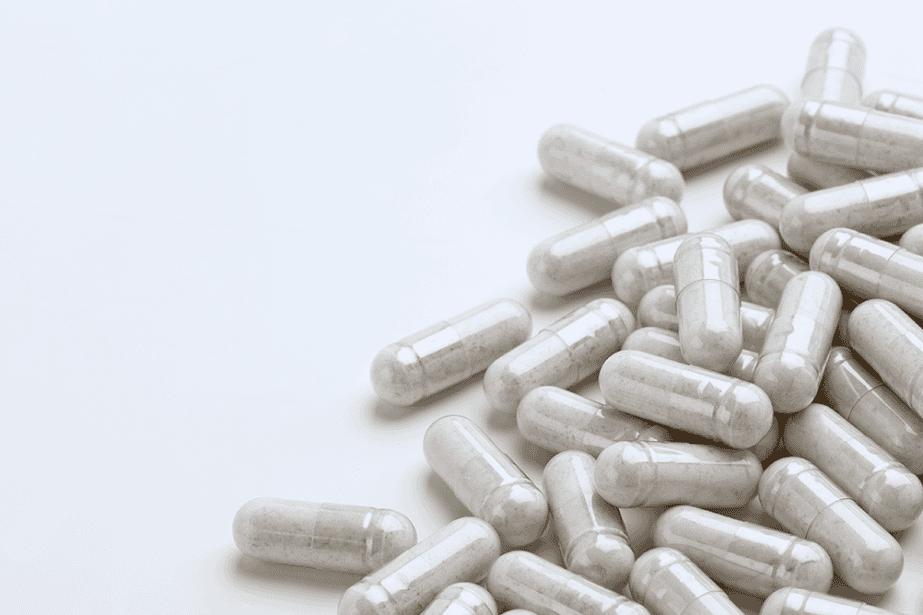
If it’s difficult to get enough probiotics from food, supplements can be a helpful alternative. Tips for choosing a good supplement:
Check the number of strains: A good probiotic supplement should contain multiple strains of bacteria to maximize benefits.
Consult a healthcare professional: Before starting a probiotic supplement, it’s best to speak with a healthcare provider, especially if you have underlying health conditions.
Storage: Some probiotics require refrigeration to maintain their effectiveness, so follow the storage instructions carefully.
Conclusion
Probiotics are key for good digestive and overall health. Whether through a diet rich in fermented foods or high-quality supplements, adding probiotics to your daily routine can provide many benefits for your well-being. Variety is essential, so try to consume a range of probiotic sources to get the most out of their advantages. Your gut—and your entire body—will thank you!